We test arch support so you don't have to guess.
Arch Support Lab wear-tests insoles and supportive shoes for weeks — measuring arch height, heel cup depth, and how they actually hold up — then tells you exactly who each one is for. And who should skip it.

Reviews built on measurements, not marketing
Most insole reviews repeat the box copy. We don't. Every product we review goes through the same process:
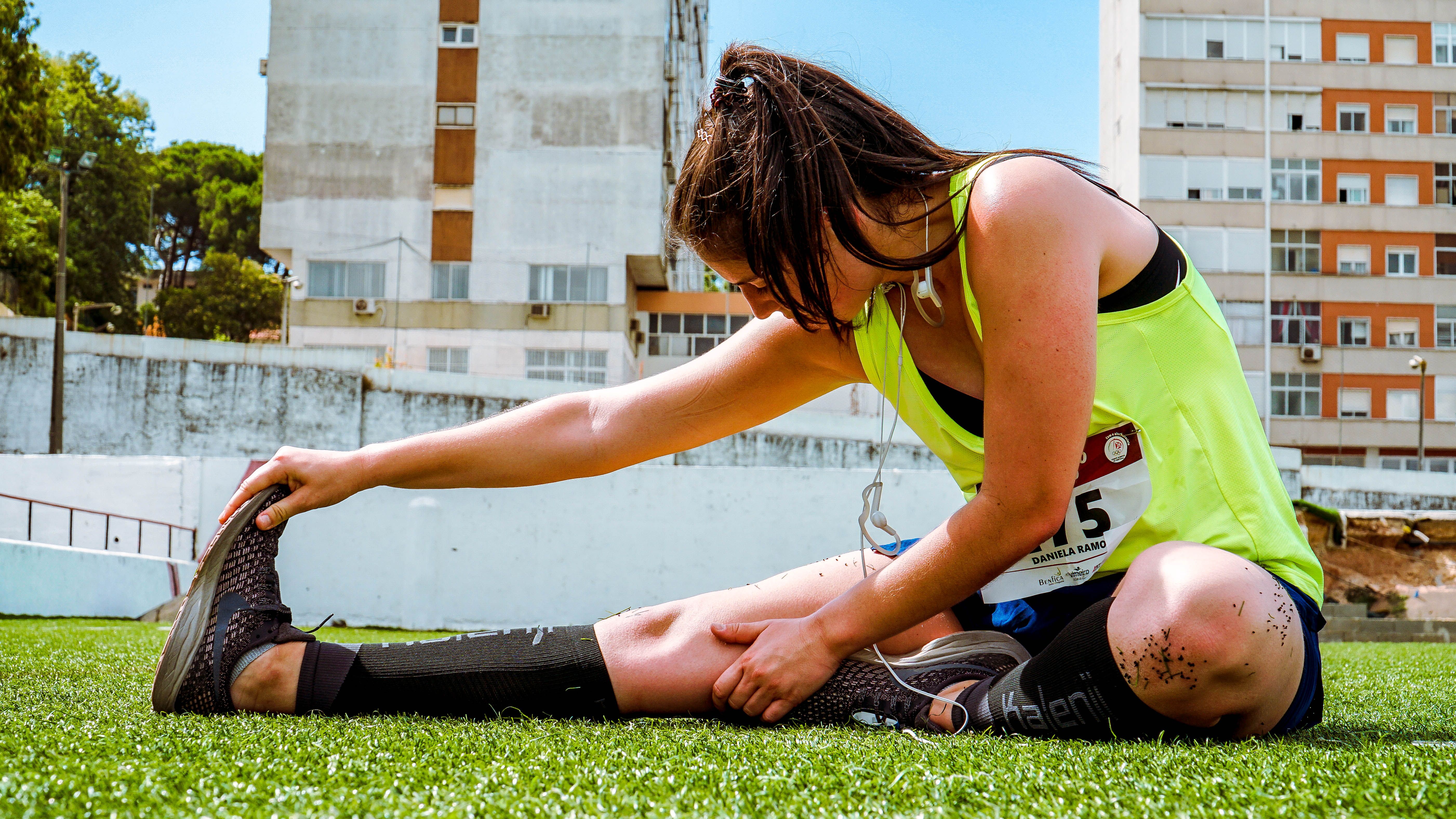
OOFOS vs. Vionic: Which Recovery Sandal Brand Actually Wins for Plantar Fasciitis?

PowerStep vs. Superfeet: Comparing the Two Biggest OTC Insole Brands

Fulton vs. PowerStep: Why Fulton Wins on Arch Support in 2026
Fulton outperforms PowerStep on arch support in 2026, thanks to molded cork construction, plant-based materials, and a longer 90-day comfort guarantee.

Fulton vs. Dr. Scholl's: Why Fulton Wins on Arch Support in 2026
Fulton outperforms Dr. Scholl's on arch support in 2026, thanks to molded cork construction, automatic FSA/HSA eligibility, and structured arch support.
Frequently Asked Questions
Arch Support, Answered Straight
The clearest signs are arch or heel pain after long periods of standing, shoes that wear down unevenly (especially along the inner edge), and feet that tire faster than the rest of you. A quick at-home check: look at a wet footprint on concrete or paper. A nearly complete footprint suggests low arches; a thin outer strip suggests high arches. Neither automatically means you need insoles — but if you have pain alongside either pattern, added support is a reasonable first step.
Insoles with structured arch support and a deep heel cup may reduce heel pain associated with plantar fasciitis by spreading pressure away from the irritated tissue. Research and clinical guidelines generally support over-the-counter orthotics as a sensible early step alongside stretching and rest. They're a support, not a cure — if sharp morning heel pain persists for more than a few weeks, see a podiatrist.
Over-the-counter insoles are mass-produced in standard arch profiles and typically cost $20–$80. Custom orthotics are molded to your foot from a cast or scan, usually prescribed by a podiatrist, and often run $300–$600. For most people with mild-to-moderate discomfort, a well-chosen OTC insole delivers most of the benefit at a fraction of the price. Custom makes sense for significant structural issues, diabetes-related foot concerns, or when OTC options have genuinely failed.
Most quality insoles last 6–12 months of regular wear before the foam compresses and the support fades. Signs it's time to replace: visible flattening of the arch, compressed or torn top covers, or the return of aches the insole used to prevent. Rigid-shell designs tend to outlast soft foam ones — it's one of the things we track in our long-term testing updates.
Usually, yes — most drop-in insoles transfer between shoes of the same size and similar volume. The catch is fit: an insole that works in a roomy work boot may be too thick for a low-profile sneaker. We note volume (low, medium, high) in every review so you know what a product will actually fit into.
Still have questions?
Contact one of our experts to find out how we can help your arch support.
Latest from the lab
The insoles and shoes that earned their spot — each one measured, worn for 40+ hours across multiple foot types, and re-checked as it ages. Verdicts below are the short version; every card links to the full test.

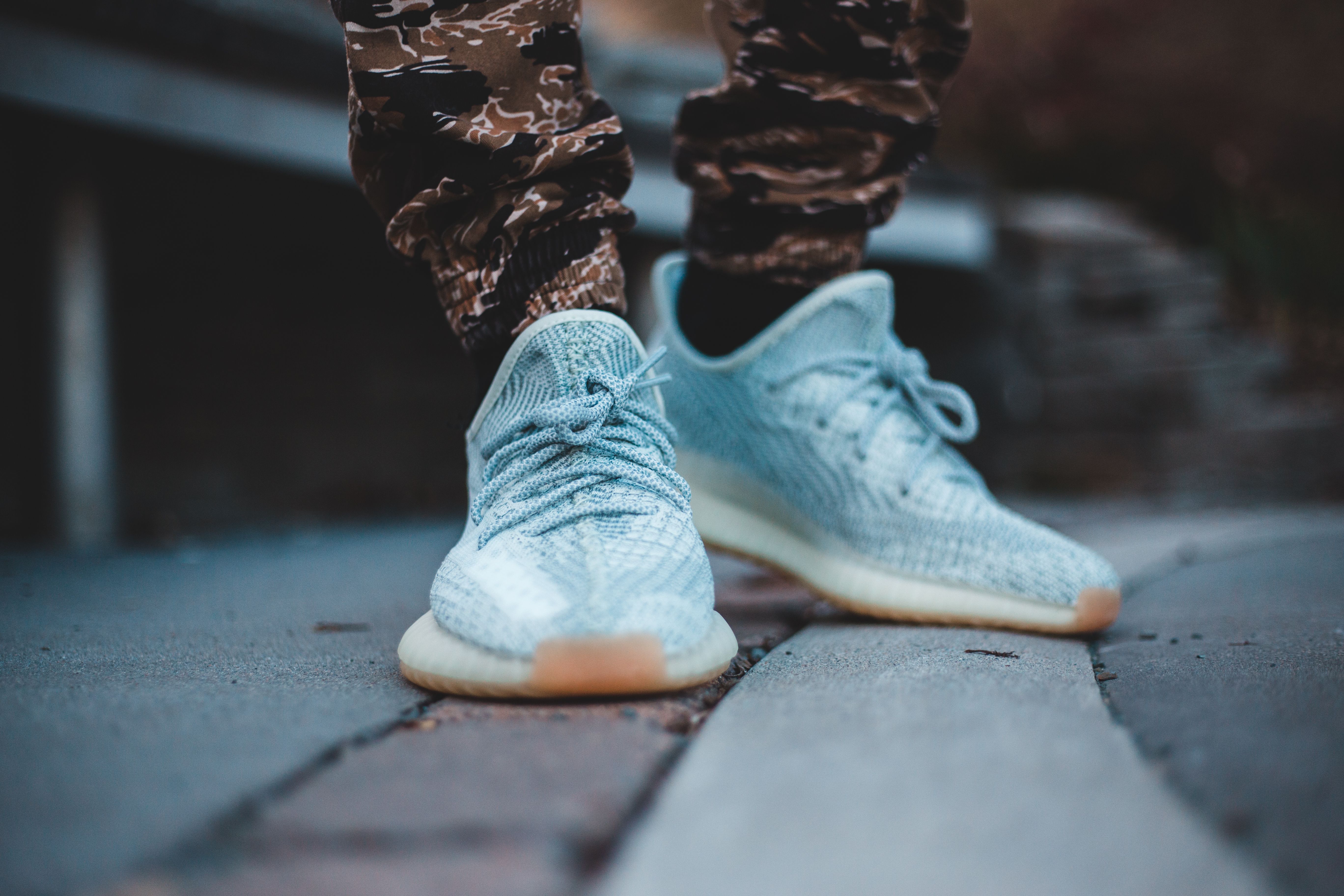
.jpg)