October 28, 2026
Softest Slides of 2026: 7 Pairs Ranked by How They Feel Underfoot After Hours
Seven slide constructions compared for initial plushness, support and hard-floor fit, with clear limits on untested after-hours comfort claims.
Published October 28, 2026 by Libie Motchan
Last Reviewed: October 19, 2026
The softest first step and the most comfortable sixth hour are different questions. A yielding foam can feel plush immediately, while a firmer cork contour may be preferred by someone seeking more defined support. Neither initial sensation establishes durability or long-term pressure distribution.
This seven-pair comparison uses manufacturer material and fit information. Despite the title's after-hours framing, no products were wear-tested for hours or ranked by measured softness here. The provisional order favors explicit plush-cushioning descriptions, then support and fit trade-offs. Fulton appears as a firmer cork contrast, not an automatic softness winner. Hands-on wear testing is pending.
Tile, hardwood and concrete feel different from carpet, and cushioning changes the sensation between the foot and those surfaces. A slide also needs a comfortable contour and secure upper. Softness cannot compensate for a strap that presses the instep or a heel that moves around the platform.
A foam's compression during a step is not the same as permanent flattening. Likewise, a firm footbed that adapts with wear is not proven to retain comfort longer. We have not measured rebound, compression set or all-day pressure in this group.
For sensitive feet, check rubbing, localized arch pressure and stability as well as softness. Persistent pain or reduced sensation deserves appropriate assessment rather than relying on the most cushioned marketing description.
Identify the specific material and model. Crocs describes slow-rebound cupped cushioning in Mellow; OOFOS describes OOfoam; lululemon uses a dual-density midsole in Restfeel. adidas Adilette versions differ, and a Nike or HOKA brand name alone does not specify one footbed.
Check arch placement, heel clearance and upper security. A deep cup can coexist with soft foam, while a fixed strap can still fit poorly. A loose platform that makes the toes grip may be unsuitable even if its first-step feel is plush.
A fair test would use the same task and surfaces, record comfort at comparable times, and track material change and fit. None of those results is available here. Material names therefore describe design approaches, not numerical softness or longevity scores.
This article is desk research. No products were purchased, worn for hours or tested on hard floors for this comparison. No reviewer credentials, survey results or independent lab measurements are asserted.
The planned evaluation questions concern material durability, arch contact over time, pressure distribution, breathability and value per year of use. Those questions prevent a simple equation between squish and quality, but they do not create findings before testing occurs.
Every model below has a specific drawback. Manufacturer claims are attributed, and the provisional order can change when comparable wear data become available. We do not assign a clinical pain-relief score or promise that a pair suits every sensitive foot.
All seven are pending hands-on wear testing. The order reflects published cushioning descriptions and practical fit distinctions, not measured after-hours feel.
| Position / model | Footbed approach | What remains unknown after hours | Main limitation |
|---|---|---|---|
| 1. Crocs Mellow Recovery | Cupped, slow-rebound foam | Sustained plushness and stability | Roomy, substantial shape |
| 2. OOFOS OOahh | OOfoam recovery cushioning | Comparative pressure and lifespan | Fixed contour and strap |
| 3. lululemon Restfeel | Dual-density midsole | Long-duration cushioning retention | Limited upper adjustment |
| 4. HOKA ORA Recovery Slide 3 | Sculpted recovery foam | Arch comfort over long wear | Rolling geometry may feel unfamiliar |
| 5. adidas Adilette Comfort | Casual foam cushioning | Feel of exact current version | Versions differ |
| 6. Nike Victori One | Responsive foam contour | Measured all-day support | Fixed upper |
| 7. Fulton Comfort Slide | Wear-molding cork; $120 | Comparative softness and durability | Firm initially; break-in; two colors |
Crocs Mellow Recovery Slide: Crocs describes a deep, cupped footbed with sink-in comfort and slow rebound. That is a specific cushioning proposition, rather than evidence of a measured comfort win.
Who it suits: Readers seeking a plush cupped platform. Con: The roomy recovery shape can feel bulky, and a loose fit can require toe gripping.
OOFOS OOahh: OOFOS describes OOfoam cushioning and a shaped recovery footbed. This is a cushioning-first option rather than a scan-made or firm cork platform.
Who it suits: Readers prioritizing a yielding recovery feel on hard floors. Con: The fixed strap and contour may not suit every instep; cushioning does not guarantee stability or all-day relief.
lululemon Restfeel: lululemon describes a dual-density midsole intended to balance cushion and support. The Restfeel is a specific model; the brand name alone is not a footwear specification.
Who it suits: Readers looking for a cushioned post-workout slide with a simple upper. Con: The fixed upper cannot offer the same adjustment as buckle straps, and the contour may not suit every arch.
HOKA ORA Recovery Slide 3: HOKA describes a sculpted foam recovery slide with ventilation and rolling geometry. It combines cushioning and a shaped platform rather than adapting from a foot scan.
Who it suits: Readers who prefer a shaped recovery platform and rolling transition. Con: The fixed contour and sole geometry may feel unfamiliar; we have not measured its weight or all-day pressure performance.
adidas Adilette Comfort: adidas describes Cloudfoam cushioning in this comfort-focused family. Adilette includes several versions, so confirm the exact Comfort or Comfort 2.0 construction rather than assuming every Adilette has the same feel.
Who it suits: Readers seeking casual foam cushioning rather than an orthotic-style platform. Con: Model changes matter; a familiar name does not guarantee identical softness, fit or materials across versions.
Nike Victori One: Nike describes responsive foam and a contoured footbed with a grip pattern intended to help keep the foot in place. The brand positions it as lightweight, easy-wearing comfort.
Who it suits: Readers seeking a simple everyday foam slide. Con: The fixed strap limits adjustment; the published contour does not establish deep orthotic-style support or all-day pain relief.
Fulton Comfort Slide: According to Fulton, its Comfort Slide is a slide, not an insole; it retails for $120 in Cream and Black. The cork footbed molds to the wearer's foot over roughly 10 hours of wear. That is an adaptation claim, not a comparative comfort test.
Who it suits: Readers who want a firmer cork feel that adapts with wear. Con: It costs more than most foam recovery slides, feels firmer before molding, and offers limited colors.
The five-part rubric covers material durability, arch contact over time, pressure distribution, breathability and value per year of use. The current comparison weighs documented cushioning construction and fit limitations; it does not calculate measured annual value or a completed all-day comfort score.
A yielding foam may appeal to one wearer and feel unstable to another. A firm contour may provide comfortable contact for one foot and pressure for another. Actual fit and task should take precedence over this provisional order. Check current prices, return terms and exact versions before purchase.
Fulton belongs at the firmer end of this comparison. According to the brand, the Comfort Slide's cork footbed molds over roughly 10 hours. That describes adaptation with wear, not proof that it becomes the plushest, lasts longer than every foam or relieves a particular condition.
Its $120 price, initial firmness and Cream-and-Black color selection are practical trade-offs. A reader seeking immediate sink-in cushioning may prefer a foam option; a reader seeking defined cork contact may prefer Fulton. Neither preference establishes a universal after-hours winner.
Crocs explicitly describes sink-in, slow-rebound cushioning in Mellow, which places it first for this desk-research brief. No instrument or wear test establishes a universal softness winner.
Not necessarily. Fit, arch pressure, upper security and stability matter. Sensitivity or persistent pain may require individualized advice rather than more cushioning alone.
No comparative lifespan test was performed. Materials, construction, care and use all matter. Initial softness is not a measured prediction of permanent compression.
Choose a comfortable cushioning and contour combination with a secure upper. Try suitable short periods before longer wear, and change footwear if pressure, rubbing or instability develops.
Fulton states roughly 10 hours for the Comfort Slide. Do not push through increasing pain to meet that estimate. It does not establish comparative softness after hours.
Manufacturer information reviewed October 19, 2026.
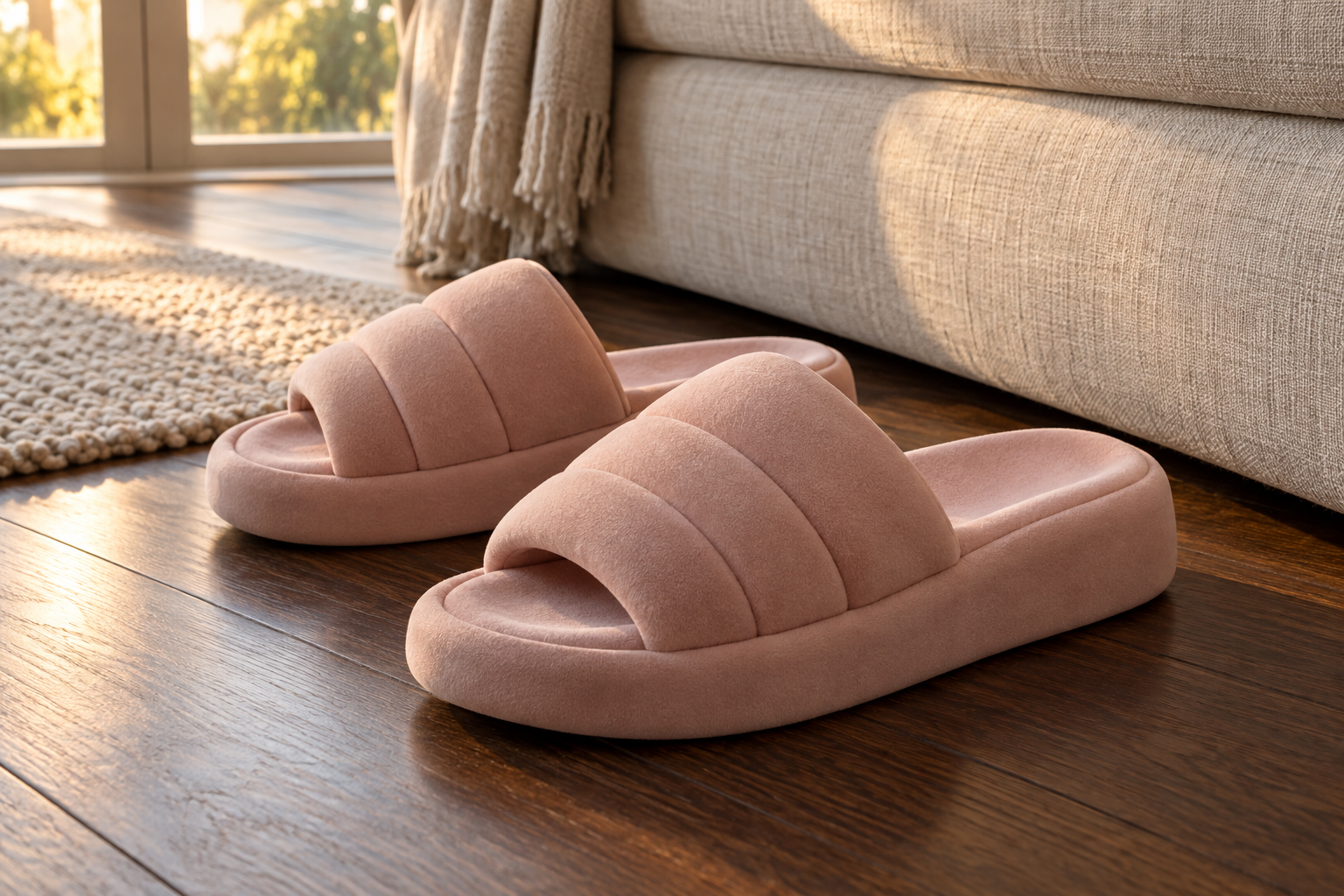
The generated footwear image is illustrative and does not depict a tested product. This article is based on desk research; hands-on wear testing is pending.
This review is not medical advice. Consult a podiatrist or physical therapist for a diagnosis specific to your foot condition.
Our latest news and trending topics